Poor communication isn’t just awkward — it’s costly. Discover why clarity in thought and speech is more important now than ever.
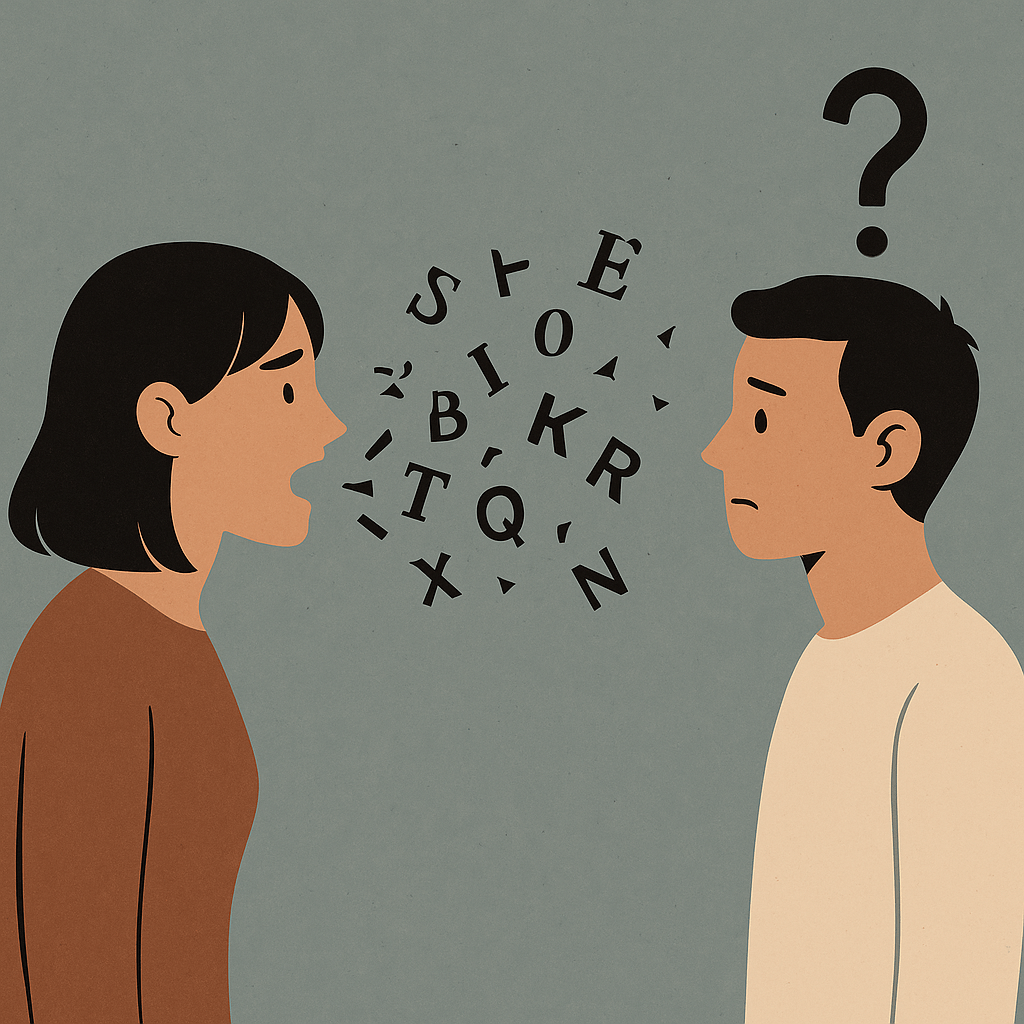
There’s a quote I often come back to — “Bricks are not a home, just as words are not thought.” And yet, without bricks, there is no shelter. Without words, there is no communication. That’s exactly where this generation seems to be stuck — with scattered bricks and no structure.
“You Know What I Mean, Sir?”
This line has become a national anthem for confused expression. Students, young professionals, even influencers — they’ll begin something vague, half-express a thought, then end it with: “You know what I mean?”
And I want to say — No, I don’t. And I shouldn’t have to guess.
It’s almost like they expect others to be mind-readers. As if empathy is supposed to come with telepathy.
A Case of Miscommunication
One of my friends works in a reputed MNC. One day, his manager called him and started briefing him about a new project. But mid-sentence, the manager casually ended with, “You know what I mean…” — and walked off.
No concrete instruction. No defined goal. Just an assumption that the rest would somehow be understood.
Now imagine my friend’s position. He’s smart. He’s capable. But how do you execute a task that was never fully communicated?
The result?
When things didn’t go as imagined, fingers were pointed — not at the poor communication, but at him.
“Not worthy,” some whispered.
“Can’t take ownership,” others judged.
But the truth was simple: he wasn’t lacking intelligence — he was lacking clarity from the source.
The Real Power is in Vocabulary
You can only express what you can verbalize. If your vocabulary is limited, your ability to explain is limited. And when people can’t express something, they hide behind phrases that make them sound trendy — but actually just make them unclear.
And then the blame game begins.
“He didn’t get me.”
“She couldn’t understand what I meant.”
But whose fault is it really? If we expect others to guess what we can’t say, are we communicating at all — or just hoping for magic?
Trying to Look Cool? Try Being Clear.
There’s a growing trend — especially on social media — where speaking less, using vague gestures, or half-formed sentences is seen as cool. People confuse confusion with depth.
But let me say this bluntly — unclear is not deep. Vague is not intellectual. If you want to look cool, try being articulate. Because when you express your thoughts with clarity, it doesn’t just make you heard — it makes you respected.
Your Words are Your Responsibility
Words are bridges. The more you have, the stronger your bridges. And if your bridges are weak, don’t blame the people who fall through them.
So the next time you want to be understood, build a better bridge.
Read more. Think more. Speak with clarity. Because when your words are precise, your thoughts shine through.
And remember — the fault isn’t in people not understanding you. The fault is in expecting them to build your sentence for you.
Hindi
खराब संचार सिर्फ़ अजीब नहीं है – यह महंगा भी है। जानें कि विचार और भाषण में स्पष्टता आज पहले से कहीं ज़्यादा महत्वपूर्ण क्यों है।
एक उद्धरण है जिसे मैं अक्सर दोहराता हूँ – “ईंटें घर नहीं हैं, जैसे शब्द विचार नहीं हैं।” और फिर भी, ईंटों के बिना, कोई आश्रय नहीं है। शब्दों के बिना, कोई संचार नहीं है। यही वह जगह है जहाँ यह पीढ़ी फंसी हुई लगती है – बिखरी हुई ईंटों और बिना किसी संरचना के।
“आप जानते हैं कि मेरा क्या मतलब है, सर?”
यह पंक्ति भ्रमित अभिव्यक्ति के लिए एक राष्ट्रगान बन गई है। छात्र, युवा पेशेवर, यहाँ तक कि प्रभावशाली लोग भी – वे कुछ अस्पष्ट शुरू करेंगे, एक विचार को आधा-अधूरा व्यक्त करेंगे, फिर इसे इस तरह समाप्त करेंगे: “आप जानते हैं कि मेरा क्या मतलब है?”
और मैं कहना चाहता हूँ – नहीं, मैं नहीं जानता। और मुझे अनुमान नहीं लगाना चाहिए।
यह लगभग वैसा ही है जैसे वे दूसरों से मन-पाठक होने की अपेक्षा करते हैं। मानो सहानुभूति टेलीपैथी के साथ आनी चाहिए।
गलत संचार का मामला
मेरा एक दोस्त एक प्रतिष्ठित MNC में काम करता है। एक दिन, उनके मैनेजर ने उन्हें बुलाया और उन्हें एक नए प्रोजेक्ट के बारे में जानकारी देना शुरू किया। लेकिन बीच में ही मैनेजर ने लापरवाही से कहा, “आप जानते हैं कि मेरा क्या मतलब है…” — और चला गया।
कोई ठोस निर्देश नहीं। कोई परिभाषित लक्ष्य नहीं। बस एक धारणा कि बाकी किसी तरह समझ में आ जाएगा।
अब मेरे दोस्त की स्थिति की कल्पना करें। वह होशियार है। वह सक्षम है। लेकिन आप उस कार्य को कैसे अंजाम देंगे, जिसके बारे में कभी पूरी तरह से संवाद नहीं किया गया?
परिणाम?
जब चीजें कल्पना के अनुसार नहीं हुईं, तो उँगलियाँ उठीं — खराब संचार पर नहीं, बल्कि उस पर।
“योग्य नहीं,” कुछ फुसफुसाए।
“स्वामित्व नहीं ले सकता,” दूसरों ने फैसला सुनाया।
लेकिन सच्चाई सरल थी: उसमें बुद्धिमत्ता की कमी नहीं थी — उसे स्रोत से स्पष्टता की कमी थी।
असली शक्ति शब्दावली में है
आइए इसका सामना करें: आप केवल वही व्यक्त कर सकते हैं, जिसे आप मौखिक रूप से व्यक्त कर सकते हैं। यदि आपकी शब्दावली सीमित है, तो आपकी व्याख्या करने की क्षमता भी सीमित है। और जब लोग कुछ व्यक्त नहीं कर पाते, तो वे ऐसे वाक्यांशों के पीछे छिप जाते हैं जो उन्हें ट्रेंडी बनाते हैं – लेकिन वास्तव में उन्हें अस्पष्ट बनाते हैं।
और फिर दोषारोपण का खेल शुरू होता है।
“वह मुझे समझ नहीं पाया।”
“वह समझ नहीं पाई कि मेरा क्या मतलब था।”
लेकिन वास्तव में यह किसकी गलती है? अगर हम दूसरों से यह उम्मीद करते हैं कि वे वह अनुमान लगा लें जो हम नहीं कह सकते, तो क्या हम संवाद कर रहे हैं – या बस जादू की उम्मीद कर रहे हैं?
कूल दिखने की कोशिश कर रहे हैं? स्पष्ट होने की कोशिश करें।
एक बढ़ती हुई प्रवृत्ति है – खासकर सोशल मीडिया पर – जहां कम बोलना, अस्पष्ट हाव-भाव का उपयोग करना या आधे-अधूरे वाक्यों का उपयोग करना कूल माना जाता है। लोग भ्रम को गहराई से भ्रमित करते हैं।
लेकिन मैं यह स्पष्ट रूप से कह दूं – अस्पष्ट का मतलब गहरा नहीं होता। अस्पष्ट का मतलब बौद्धिक नहीं होता। अगर आप कूल दिखना चाहते हैं, तो स्पष्ट होने की कोशिश करें। क्योंकि जब आप अपने विचारों को स्पष्टता से व्यक्त करते हैं, तो यह न केवल आपको सुना जाता है – बल्कि आपको सम्मानित भी बनाता है।
आपके शब्द आपकी जिम्मेदारी हैं
शब्द पुल हैं। आपके पास जितने अधिक शब्द होंगे, आपके पुल उतने ही मजबूत होंगे। और अगर आपके पुल कमज़ोर हैं, तो उन लोगों को दोष न दें जो उनसे टूट जाते हैं।
तो अगली बार जब आप चाहें कि लोग आपको समझें, तो बेहतर पुल बनाएँ।
और पढ़ें। ज़्यादा सोचें। स्पष्टता से बोलें। क्योंकि जब आपके शब्द सटीक होते हैं, तो आपके विचार स्पष्ट होते हैं।
और याद रखें – गलती यह नहीं है कि लोग आपको नहीं समझते। गलती यह है कि आप उनसे यह उम्मीद करते हैं कि वे आपके लिए वाक्य बनाएँ।
 Anu-Chintanam
Leave a comment