Have You Read Part 1?
Before diving in, if you haven’t read Part 1: The Changing Mindset of Today’s Students, check it out first! It sets the stage for what we’re about to discuss.
The Illusion of Maturity in Students
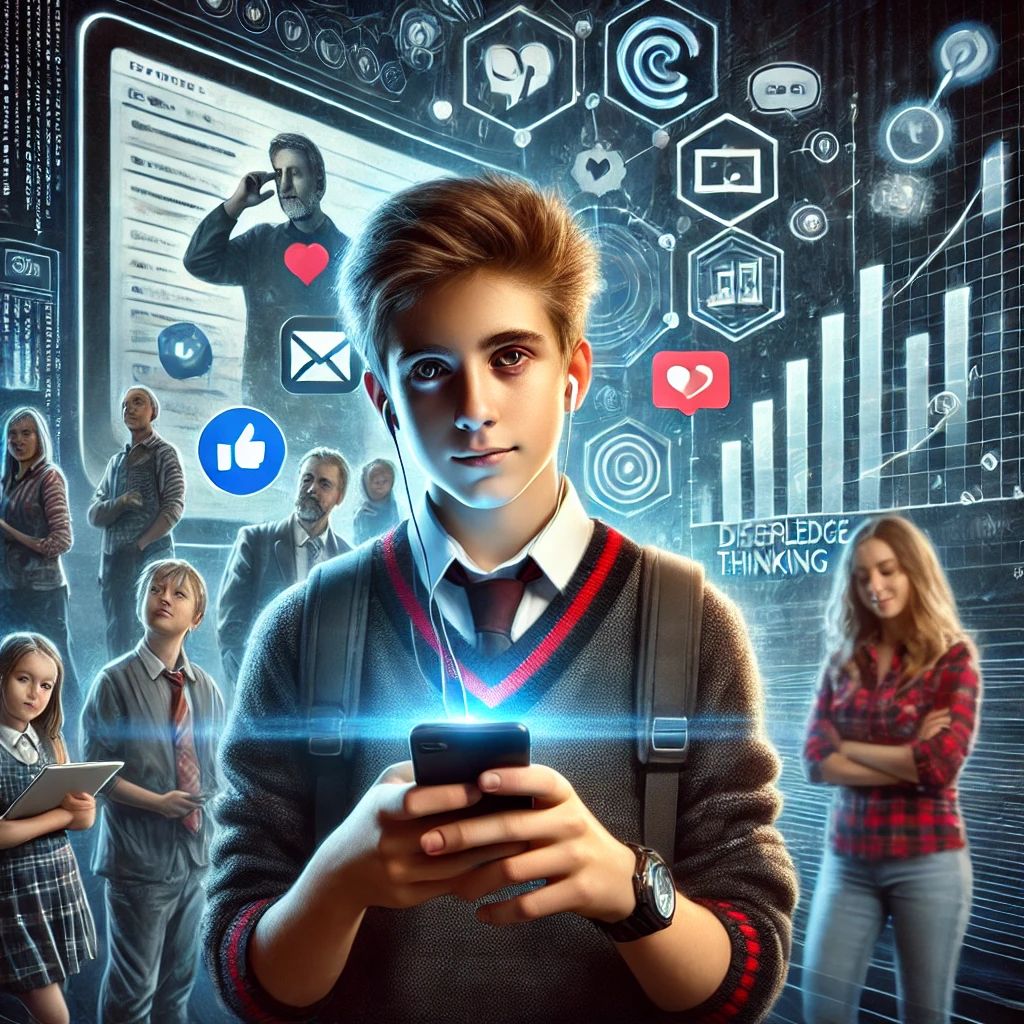
Students today appear more knowledgeable than ever. With unlimited access to the internet, they confidently voice opinions on complex matters. But is this wisdom or just an illusion of maturity?
Despite their intelligence, many struggle with decision-making, discipline, and long-term thinking. Why is this happening?
1. Overconfidence Without Experience
Many students believe they “know everything”, but their knowledge often comes from quick searches, social media, or peer discussions rather than real-world experience. This false confidence sometimes leads them to ignore guidance from teachers and parents, making mistakes that could have been avoided.
Question: If knowledge alone was enough, why do even the wisest people seek mentorship?
2. Technology Dependence & Emotional Disconnect
With gadgets at their fingertips, students consume massive amounts of information but rarely engage in deep thinking. Younger children, even as young as 3-4 years old, throw tantrums when screen time is taken away. This excessive digital exposure reduces emotional bonding with family, affecting their ability to build meaningful relationships.
Question: Is knowledge without emotional intelligence truly beneficial?
3. Fearless, Yet Directionless
Unlike previous generations, students today do not fear teachers or parents. While this can be seen as a positive shift, it also means many lack a guiding force to keep them grounded. As a result, even the most brilliant students struggle to make firm career or life decisions, delaying their growth.
Question: Has the removal of strict discipline led to freedom, or just confusion?
Is This Really Maturity? Or Just Fast-Paced Learning Without Wisdom?
Students are more informed than ever but are they truly mature enough to handle life’s complexities? The gap between knowledge and wisdom is growing—how can we bridge it?
Stay Tuned for Part 3!
In the next part, we’ll explore the missing link between intelligence and real-life success. Is there a way to guide students without controlling them? What role should parents and teachers play in shaping future generations?
What’s your take on this? Have you noticed this trend among students? Comment below!
Hindi
परिपक्वता का भ्रम: क्या आज के छात्र वास्तव में जीवन के लिए तैयार हैं?
क्या आपने भाग 1 पढ़ा है?
आगे बढ़ने से पहले, अगर आपने भाग 1 -The Changing Mindset of Today’s Students नहीं पढ़ी है, तो पहले इसे पढ़ लें! यह उस विषय के लिए मंच तैयार करता है जिस पर हम चर्चा करने वाले हैं।
छात्रों में परिपक्वता का भ्रम
आज के छात्र पहले से कहीं ज़्यादा जानकार नज़र आते हैं। इंटरनेट तक असीमित पहुँच के साथ, वे जटिल मामलों पर आत्मविश्वास से अपनी राय देते हैं। लेकिन क्या यह समझदारी है या सिर्फ़ परिपक्वता का भ्रम?
अपनी बुद्धिमत्ता के बावजूद, कई लोग निर्णय लेने, अनुशासन और दीर्घकालिक सोच के साथ संघर्ष करते हैं। ऐसा क्यों हो रहा है?
1. अनुभव के बिना अति आत्मविश्वास
कई छात्र मानते हैं कि वे “सब कुछ जानते हैं”, लेकिन उनका ज्ञान अक्सर वास्तविक दुनिया के अनुभव के बजाय त्वरित खोज, सोशल मीडिया या साथियों की चर्चाओं से आता है। यह गलत आत्मविश्वास कभी-कभी उन्हें शिक्षकों और माता-पिता के मार्गदर्शन को अनदेखा करने के लिए प्रेरित करता है, जिससे वे गलतियाँ करते हैं जिन्हें टाला जा सकता था।
प्रश्न: यदि केवल ज्ञान ही पर्याप्त था, तो सबसे बुद्धिमान लोग भी मार्गदर्शन क्यों चाहते हैं?
2. प्रौद्योगिकी पर निर्भरता और भावनात्मक वियोग
जब गैजेट उनकी उंगलियों पर होते हैं, तो छात्र बहुत अधिक जानकारी प्राप्त करते हैं, लेकिन शायद ही कभी गहन चिंतन में संलग्न होते हैं। छोटे बच्चे, यहाँ तक कि 3-4 वर्ष की आयु के बच्चे भी, स्क्रीन टाइम कम होने पर गुस्सा करते हैं। अत्यधिक डिजिटल संपर्क परिवार के साथ भावनात्मक जुड़ाव को कम करता है, जिससे सार्थक संबंध बनाने की उनकी क्षमता प्रभावित होती है।
प्रश्न: क्या भावनात्मक बुद्धिमत्ता के बिना ज्ञान वास्तव में लाभदायक है?
3. निडर, फिर भी दिशाहीन
पिछली पीढ़ियों के विपरीत, आज के छात्र शिक्षकों या माता-पिता से नहीं डरते। जबकि इसे एक सकारात्मक बदलाव के रूप में देखा जा सकता है, इसका यह भी अर्थ है कि कई छात्रों के पास उन्हें जमीन पर रखने के लिए मार्गदर्शक शक्ति की कमी है। परिणामस्वरूप, सबसे प्रतिभाशाली छात्र भी दृढ़ कैरियर या जीवन निर्णय लेने के लिए संघर्ष करते हैं, जिससे उनका विकास धीमा हो जाता है।
प्रश्न: क्या सख्त अनुशासन को हटाने से स्वतंत्रता मिली है, या केवल भ्रम?
क्या यह वास्तव में परिपक्वता है? या बिना बुद्धि के केवल तेज़ गति से सीखना?
छात्र पहले से कहीं ज़्यादा जानकारी रखते हैं, लेकिन क्या वे वाकई इतने परिपक्व हैं कि जीवन की जटिलताओं को संभाल सकें? ज्ञान और बुद्धि के बीच की खाई बढ़ती जा रही है—हम इसे कैसे पाट सकते हैं?
भाग 3 के लिए बने रहें!
अगले भाग में, हम बुद्धिमत्ता और वास्तविक जीवन की सफलता के बीच की खोई कड़ी का पता लगाएँगे। क्या छात्रों को नियंत्रित किए बिना उनका मार्गदर्शन करने का कोई तरीका है? भावी पीढ़ियों को आकार देने में माता-पिता और शिक्षकों की क्या भूमिका होनी चाहिए?
इस पर आपकी क्या राय है? क्या आपने छात्रों के बीच इस प्रवृत्ति को देखा है? नीचे टिप्पणी करें!
 Anu-Chintanam
Leave a comment