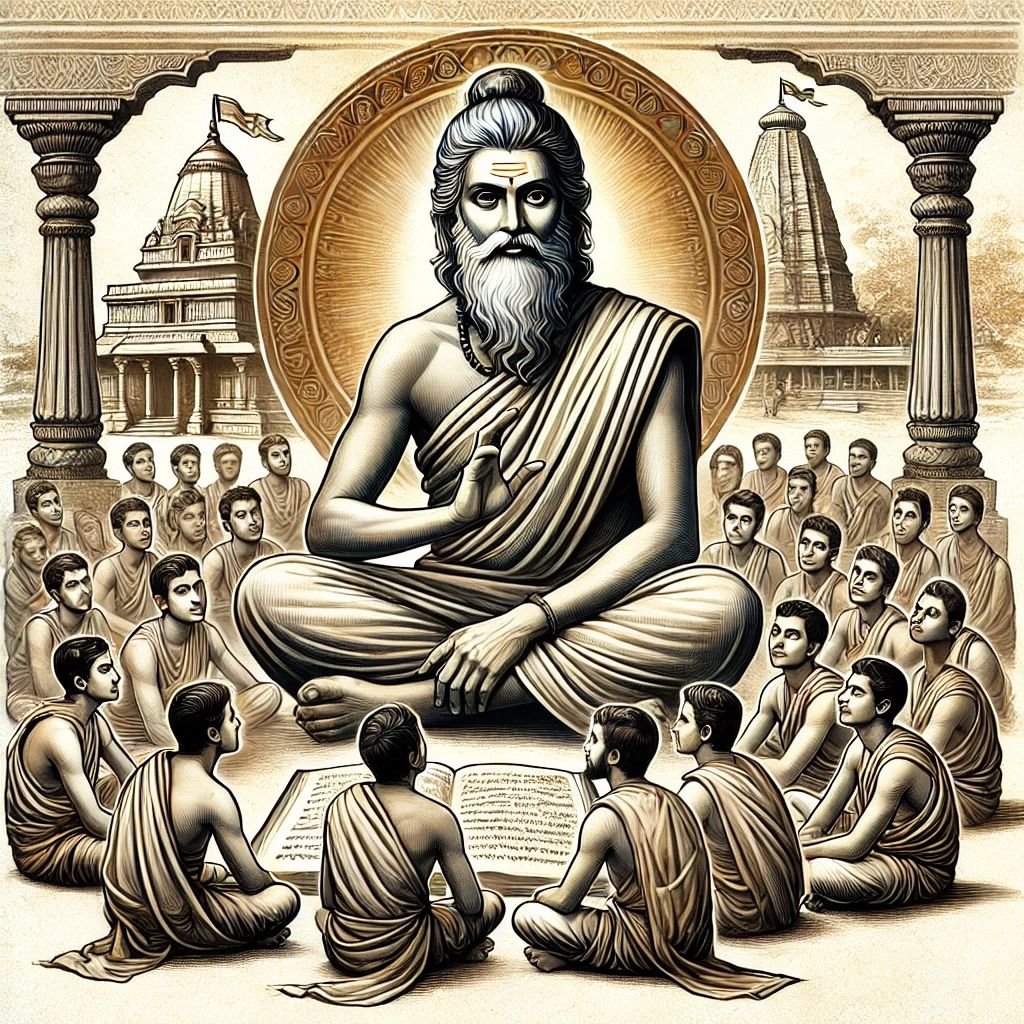
In the previous part, we questioned the false portrayal of Brahmins as always poor, begging for survival, and living in a weak position in society. But what is the truth? Were Brahmins really helpless, or is this narrative a misrepresentation of historical reality? Let’s break it down with facts and context.
1. Were Brahmins Always Poor?
The idea that Brahmins were always poor is misleading. Wealth in ancient Bharat was never defined solely by money.
In different time periods, wealth meant different things:
1. Cows in Vedic times.
2. Land and agricultural prosperity in later periods.
3. Knowledge, values, and wisdom as the highest form of richness.
A Brahmin was considered rich not by material possessions, but by the wealth of wisdom, discipline, and inner strength. This is why kings and society held them in high regard—not as poor beggars, but as repositories of knowledge and dharma.
Even during times when Brahmins led simple lives, they did so out of choice, not helplessness. They followed their dharma, prioritizing knowledge over material pursuits. This was not poverty—it was a different way of measuring wealth.
2. Why Did Brahmins Beg If They Were Not Poor?
The concept of begging (भिक्षाटन) by Brahmins is deeply misunderstood. It was never about helplessness—it was about sustaining a dharmic way of life.
There were different types of Brahmin livelihoods (वृत्तिः) as mentioned in the scriptures:
1. Shilonchha Vritti (शिलोंछवृत्तिः) – Collecting grains that naturally fall in fields after harvest (not asking from anyone).
2. Bhiksha Vritti (भिक्षावृत्तिः) – Seeking alms, but not from just anyone—only from those who offered willingly.
3. Yaayavar Vritti (यायावरवृत्तिः) – Living as wandering scholars, teaching in exchange for simple necessities.
This was not “begging” due to lack of resources but a way to live without attachment, ensuring they remained independent from political or material corruption. Their sustenance came from dharma, not helplessness.
Would a king ever seek guidance from someone weak and poor? No. Brahmins were respected not for what they owned, but for what they knew.
3. Why Did Kings Respect Brahmins?
Kings did not respect Brahmins because of caste or hierarchy, but because of wisdom and guidance.
1. Every raja (king) needed a rajaguru (spiritual and intellectual guide) to govern justly.
2. Even mighty rulers like Chandragupta Maurya, Chhatrapati Shivaji Maharaj, and Raja Bhoja relied on Brahmins like Chanakya, Samarth Ramdas, and Kalidasa for their strategic and dharmic wisdom.
3. The king’s sword ruled the land, but the Brahmin’s wisdom ruled the king—ensuring justice and righteousness.
If Brahmins were truly “poor beggars,” why would the most powerful kings in history seek their advice and blessings? Clearly, the real power lay not in wealth, but in knowledge.
4. How Has This False Narrative Affected Hindus Today?
This distorted portrayal has led many Hindus to lose confidence in their own history.
1. Many Hindus feel apologetic about their traditions, while other religions become more assertive about theirs.
2. The real respect for knowledge and dharma is being lost because of these misrepresentations.
3. The disconnect from Bharatiya wisdom is causing modern generations to chase external success without inner fulfillment.
This is why it is crucial to reclaim the truth and understand history from the right perspective. Being rooted in knowledge is not backwardness—it is strength.
Conclusion: Knowledge Over Narratives
Brahmins were never helpless victims of poverty; they were the intellectual backbone of civilization. Their “poverty” was a choice—a life focused on knowledge, not luxury. Kings and society respected them because of their wisdom, their discipline, and their adherence to dharma.
The next time you hear that Brahmins were just poor beggars—question it. Look beyond modern narratives and seek the truth hidden in history.
Because when truth is forgotten, falsehood becomes history.
Hindi
पिछले भाग में, हमने ब्राह्मणों को हमेशा गरीब, जीवित रहने के लिए भीख मांगने वाला और समाज में कमजोर स्थिति में रहने वाला दिखाने के झूठे चित्रण पर सवाल उठाया था। लेकिन सच क्या है? क्या ब्राह्मण वास्तव में असहाय थे, या यह कथा ऐतिहासिक वास्तविकता का गलत चित्रण है? आइए तथ्यों और संदर्भ के साथ इसका विश्लेषण करें।
1. क्या ब्राह्मण हमेशा गरीब थे?
यह विचार कि ब्राह्मण हमेशा गरीब थे, भ्रामक है। प्राचीन भारत में धन को कभी भी केवल पैसे से परिभाषित नहीं किया गया था।
विभिन्न समय अवधियों में, धन का अर्थ अलग-अलग चीजें थीं:
1. वैदिक काल में गायें।
2. बाद के काल में भूमि और कृषि समृद्धि।
3. ज्ञान, मूल्य और बुद्धि को समृद्धि का सर्वोच्च रूप माना जाता है।
ब्राह्मण को भौतिक संपत्ति से नहीं, बल्कि ज्ञान, अनुशासन और आंतरिक शक्ति के धन से अमीर माना जाता था। यही कारण है कि राजा और समाज उन्हें बहुत सम्मान देते थे – गरीब भिखारी के रूप में नहीं, बल्कि ज्ञान और धर्म के भंडार के रूप में।
यहां तक कि जब ब्राह्मण सादा जीवन जीते थे, तब भी वे ऐसा मजबूरी में नहीं, बल्कि अपनी पसंद से करते थे। वे अपने धर्म का पालन करते थे, भौतिक लक्ष्यों पर ज्ञान को प्राथमिकता देते थे। यह गरीबी नहीं थी – यह धन को मापने का एक अलग तरीका था।
2. अगर ब्राह्मण गरीब नहीं थे, तो भीख क्यों मांगते थे?
ब्राह्मणों द्वारा भिक्षाटन की अवधारणा को बहुत गलत समझा जाता है। यह कभी भी मजबूरी के बारे में नहीं था – यह एक धार्मिक जीवन शैली को बनाए रखने के बारे में था।
शास्त्रों में वर्णित ब्राह्मणों की आजीविका के विभिन्न प्रकार (वृत्तिः) थे:
1. शिलोंच्छ वृत्ति – फसल कटने के बाद खेतों में स्वाभाविक रूप से गिरने वाले अनाज को इकट्ठा करना (किसी से नहीं मांगना)।
2. भिक्षा वृत्ति – भिक्षा मांगना, लेकिन किसी से नहीं – केवल उनसे जो स्वेच्छा से देते हैं।
3. यायावर वृत्ति (यायावरवृत्तिः) – भटकते हुए विद्वानों की तरह रहना, साधारण आवश्यकताओं के बदले में शिक्षा देना।
यह संसाधनों की कमी के कारण “भीख” माँगना नहीं था, बल्कि बिना किसी लगाव के जीने का तरीका था, जिससे यह सुनिश्चित होता था कि वे राजनीतिक या भौतिक भ्रष्टाचार से स्वतंत्र रहें। उनका भरण-पोषण धर्म से होता था, न कि लाचारी से।
क्या कोई राजा कभी किसी कमज़ोर और गरीब व्यक्ति से मार्गदर्शन माँगेगा? नहीं। ब्राह्मणों का सम्मान उनके पास जो कुछ था उसके लिए नहीं, बल्कि उनके ज्ञान के लिए किया जाता था।
3. राजा ब्राह्मणों का सम्मान क्यों करते थे?
राजा जाति या पदानुक्रम के कारण ब्राह्मणों का सम्मान नहीं करते थे, बल्कि ज्ञान और मार्गदर्शन के कारण करते थे।
1. न्यायपूर्ण शासन करने के लिए प्रत्येक राजा को राजगुरु (आध्यात्मिक और बौद्धिक मार्गदर्शक) की आवश्यकता होती थी।
2. चंद्रगुप्त मौर्य, छत्रपति शिवाजी महाराज और राजा भोज जैसे शक्तिशाली शासक भी अपनी रणनीतिक और धार्मिक बुद्धि के लिए चाणक्य, समर्थ रामदास और कालिदास जैसे ब्राह्मणों पर निर्भर थे।
3. राजा की तलवार ने देश पर शासन किया, लेकिन ब्राह्मण की बुद्धि ने राजा पर शासन किया – न्याय और धार्मिकता सुनिश्चित की।
अगर ब्राह्मण वास्तव में “गरीब भिखारी” थे, तो इतिहास के सबसे शक्तिशाली राजा उनकी सलाह और आशीर्वाद क्यों लेते? स्पष्ट रूप से, वास्तविक शक्ति धन में नहीं, बल्कि ज्ञान में निहित थी।
4. इस झूठे आख्यान ने आज हिंदुओं को कैसे प्रभावित किया है?
इस विकृत चित्रण ने कई हिंदुओं को अपने इतिहास पर विश्वास खो दिया है।
1. कई हिंदू अपनी परंपराओं के बारे में खेद महसूस करते हैं, जबकि अन्य धर्म अपने बारे में अधिक मुखर हो जाते हैं।
2. इन गलत बयानों के कारण ज्ञान और धर्म के प्रति वास्तविक सम्मान खो रहा है।
3. भारतीय ज्ञान से वियोग के कारण आधुनिक पीढ़ी आंतरिक संतुष्टि के बिना बाहरी सफलता का पीछा कर रही है।
यही कारण है कि सत्य को पुनः प्राप्त करना और इतिहास को सही दृष्टिकोण से समझना महत्वपूर्ण है। ज्ञान में निहित होना पिछड़ापन नहीं है – यह ताकत है।
निष्कर्ष: आख्यानों पर ज्ञान का प्रभुत्व
ब्राह्मण कभी भी गरीबी के असहाय शिकार नहीं थे; वे सभ्यता की बौद्धिक रीढ़ थे। उनकी “गरीबी” एक विकल्प थी – ज्ञान पर केंद्रित जीवन, विलासिता पर नहीं। राजा और समाज उनकी बुद्धिमत्ता, उनके अनुशासन और धर्म के प्रति उनके पालन के कारण उनका सम्मान करते थे।
अगली बार जब आप सुनें कि ब्राह्मण केवल गरीब भिखारी थे – तो इस पर सवाल उठाएँ। आधुनिक आख्यानों से परे देखें और इतिहास में छिपे सत्य की तलाश करें।
क्योंकि जब सत्य को भुला दिया जाता है, तो झूठ इतिहास बन जाता है।
 Anu-Chintanam
Leave a comment