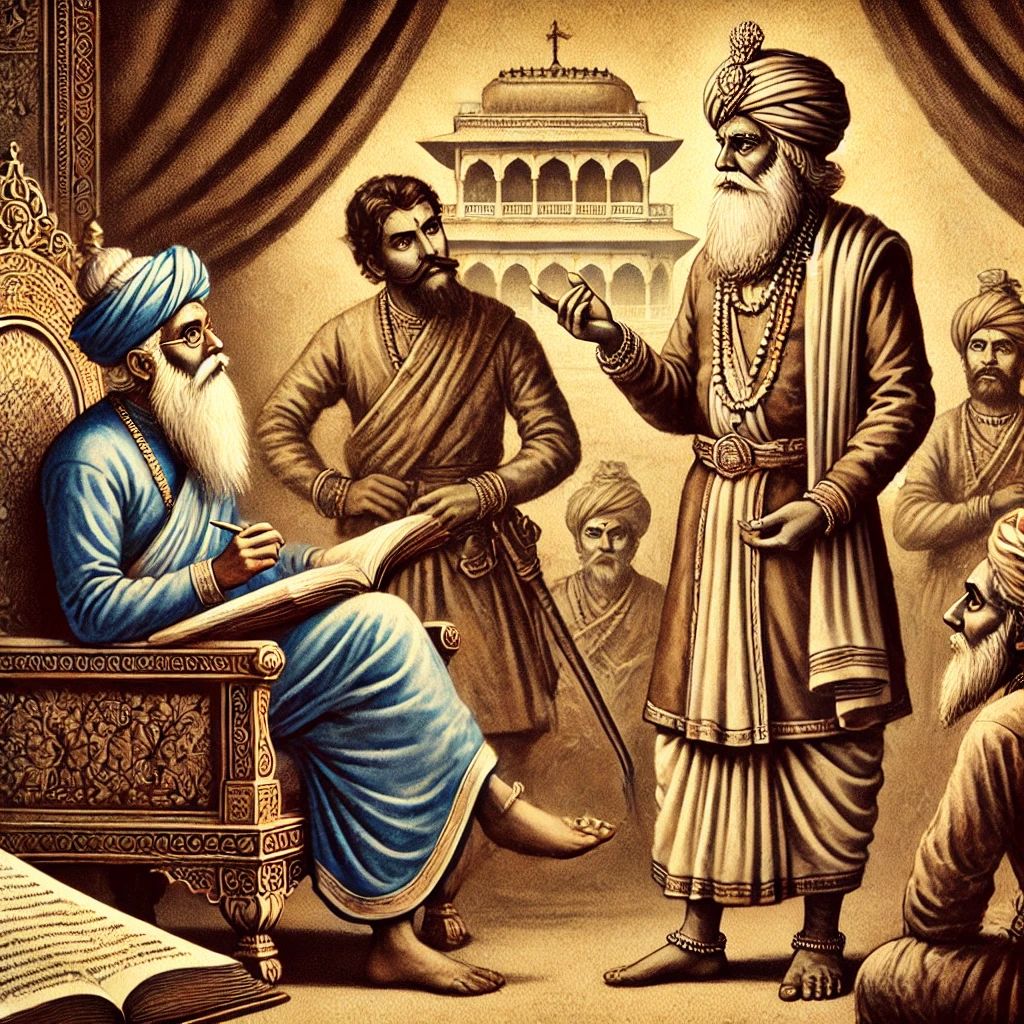
Throughout history, the image of Brahmins has been portrayed in various ways—sometimes as wise scholars, sometimes as mere beggars. But why is it that in many modern narratives, a Brahmin is often shown as poor, helpless, and surviving on alms? Is this a truthful representation, or is it a distortion that has been repeated so often that we’ve stopped questioning it?
Take any story from folklore, movies, or even textbooks—often you come across the phrase,
“A poor Brahmin lived in village…”?
Why does this specific image persist? Is it a deliberate attempt to create a false perception, or is it simply an oversimplification of history?
But let’s step back and ask:
1. Was wealth only measured in money in ancient India, or did knowledge, wisdom, and virtues hold greater value?
2. Before modern religions like Islam and Christianity, wasn’t society structured around Dharma rather than material wealth alone?
3. In ancient India, wasn’t a person’s richness determined by their cows, land, or their depth of knowledge rather than just gold and coins?
The Forgotten Truth About Brahmins
Contrary to popular belief, Brahmins were not “poor” in the sense we define poverty today. They followed different types of vrittis (livelihoods), such as Shilonchha Vritti, where they collected grains that naturally fell from harvested fields. This wasn’t “begging” out of necessity—it was a disciplined way of living, ensuring they never accumulated excess wealth and remained detached from material desires.
1. Was this a sign of poverty or a conscious choice of simplicity?
2. Were Brahmins struggling for survival, or were they upholding a dharmic way of life?
3. Why do we assume that someone living with minimal material wealth is automatically poor?
Even in the times of great kings, Brahmins were deeply respected. Not because of their caste but because of their knowledge, wisdom, and guidance. Every king, be it Chandragupta Maurya with Chanakya or Vikramaditya, sought counsel from Brahmins—not because of social hierarchy, but because kings knew whose wisdom to trust.
The Dangerous Shift in Narrative
However, over time, this portrayal has shifted. Today, we often hear statements like:
1. Brahmins always lived in poverty.
2. Brahmins survived only by begging.
3. Brahmins held power unfairly and oppressed others.
But isn’t it strange that these claims come from the same historical sources that also record the respect, influence, and intellectual dominance Brahmins had? If they were truly powerless, how did kings seek their advice? If they were always struggling, why did great empires rely on their guidance?
So here’s the bigger question:
1. Why has the image of Brahmins been manipulated to show them as weak and poor, rather than as knowledgeable and influential?
2. Why do we see Hindus becoming more secular, while other religions continue to strengthen their identities?
3. Who benefits from this false portrayal, and why is it important to correct it?
To Be Continued…
Are these misconceptions just the result of misinterpretation, or is there a deeper agenda behind them? If Brahmins were never actually “poor,” then what exactly was their role in society, and why was it misunderstood?
What do you think about the points raised in Part 1? Do you agree or have a different perspective? Share your thoughts in the comments!
Stay tuned for Part 2, where we uncover the truth behind these distortions and bring clarity to what Brahmin life truly was.
Hindi
पूरे इतिहास में ब्राह्मणों की छवि को कई तरह से दर्शाया गया है- कभी बुद्धिमान विद्वानों के रूप में, कभी मात्र भिखारियों के रूप में। लेकिन ऐसा क्यों है कि कई आधुनिक कथाओं में, ब्राह्मण को अक्सर गरीब, असहाय और भिक्षा पर जीवित रहने वाले के रूप में दिखाया जाता है? क्या यह एक सच्चा चित्रण है, या यह एक विकृति है जिसे इतनी बार दोहराया गया है कि हमने इस पर सवाल उठाना बंद कर दिया है?
लोककथाओं, फिल्मों या यहाँ तक कि पाठ्यपुस्तकों से कोई भी कहानी लें- आपको कई बार यह वाक्य मिलता है,
“गाँव में एक गरीब ब्राह्मण रहता था…”?
यह विचित्र छवि क्यों बनी हुई है? क्या यह एक गलत धारणा बनाने का जानबूझकर किया गया प्रयास है, या यह केवल इतिहास का अति सरलीकरण है?
लेकिन आइए एक कदम पीछे हटें और पूछें:
1. क्या प्राचीन भारत में संपत्ति को केवल पैसे से मापा जाता था, या ज्ञान, बुद्धि और गुणों का अधिक महत्त्व था?
2. इस्लाम और ईसाई धर्म जैसे आधुनिक धर्मों से पहले, क्या समाज केवल भौतिक धन के बजाय धर्म के इर्द-गिर्द नहीं था?
3. प्राचीन भारत में, क्या किसी व्यक्ति की समृद्धि उसकी गायों, ज़मीन या उसके ज्ञान की गहराई से निर्धारित नहीं होती थी, न कि सिर्फ़ सोने और सिक्कों से?
ब्राह्मणों के बारे में भूला हुआ सच
आम धारणा के विपरीत, ब्राह्मण उस अर्थ में “गरीब” नहीं थे, जिस अर्थ में हम आज गरीबी को परिभाषित करते हैं। वे अलग-अलग तरह की वृत्तियों (आजीविका) का पालन करते थे, जैसे कि शिलोन्छा वृत्ति, जिसमें वे खेतों से प्राकृतिक रूप से गिरने वाले अनाज को इकट्ठा करते थे। यह ज़रूरत से ज़्यादा “भीख माँगना” नहीं था – यह जीवन जीने का एक अनुशासित तरीका था, जिससे यह सुनिश्चित होता था कि वे कभी भी ज़्यादा धन इकट्ठा न करें और भौतिक इच्छाओं से दूर रहें।
1. क्या यह गरीबी का संकेत था या सादगी का सचेत विकल्प?
2. क्या ब्राह्मण जीवित रहने के लिए संघर्ष कर रहे थे, या वे धार्मिक जीवन शैली को अपना रहे थे?
3. हम यह क्यों मानते हैं कि कम से कम भौतिक संपत्ति के साथ रहने वाला व्यक्ति अपने आप गरीब है?
महान राजाओं के समय में भी, ब्राह्मणों का बहुत सम्मान किया जाता था। उनकी जाति के कारण नहीं, बल्कि उनके ज्ञान, बुद्धि और मार्गदर्शन के कारण। हर राजा, चाहे वह चाणक्य के साथ चंद्रगुप्त मौर्य हो या विक्रमादित्य हो, ब्राह्मणों से सलाह लेता था – सामाजिक पदानुक्रम के कारण नहीं, बल्कि इसलिए क्योंकि राजा जानते थे कि किसकी बुद्धि पर भरोसा करना है।
कथा में खतरनाक बदलाव
हालाँकि, समय के साथ, यह चित्रण बदल गया है। आज, हम अक्सर इस तरह के बयान सुनते हैं:
1. ब्राह्मण हमेशा गरीबी में रहते थे।
2. ब्राह्मण केवल भीख मांगकर जीवित रहते थे।
3. ब्राह्मण गलत तरीके से सत्ता पर काबिज थे और दूसरों पर अत्याचार करते थे।
लेकिन क्या यह अजीब नहीं है कि ये दावे उन्हीं ऐतिहासिक स्रोतों से आते हैं जो ब्राह्मणों के सम्मान, प्रभाव और बौद्धिक प्रभुत्व को भी दर्ज करते हैं? अगर वे वास्तव में शक्तिहीन थे, तो राजा उनकी सलाह कैसे लेते थे? अगर वे हमेशा संघर्ष कर रहे थे, तो महान साम्राज्य उनके मार्गदर्शन पर क्यों निर्भर थे?
तो यहाँ बड़ा सवाल है:
1. ब्राह्मणों की छवि को ज्ञानी और प्रभावशाली के बजाय उन्हें कमज़ोर और गरीब दिखाने के लिए क्यों हेरफेर किया गया है?
2. हम क्यों देखते हैं कि हिंदू अधिक धर्मनिरपेक्ष होते जा रहे हैं, जबकि अन्य धर्म अपनी पहचान को मजबूत करना जारी रखते हैं?
3. इस झूठे चित्रण से किसे लाभ होता है, और इसे सही करना क्यों महत्वपूर्ण है?
जारी रहेगा…
क्या ये गलत धारणाएँ सिर्फ़ गलत व्याख्या का नतीजा हैं, या इनके पीछे कोई गहरा एजेंडा है? अगर ब्राह्मण वास्तव में कभी “गरीब” नहीं थे, तो समाज में उनकी भूमिका क्या थी, और इसे गलत क्यों समझा गया?
भाग 1 में उठाए गए सवालों के बारे में आप क्या सोचते हैं? क्या आप सहमत हैं या आपका दृष्टिकोण अलग है? टिप्पणियों (Comments) में अपने विचार साझा करें!
भाग 2 के लिए बने रहें, जहाँ हम इन विकृतियों के पीछे की सच्चाई को उजागर करते हैं और ब्राह्मण जीवन वास्तव में क्या था, इस पर स्पष्टता लाते हैं।
 Anu-Chintanam
Leave a comment