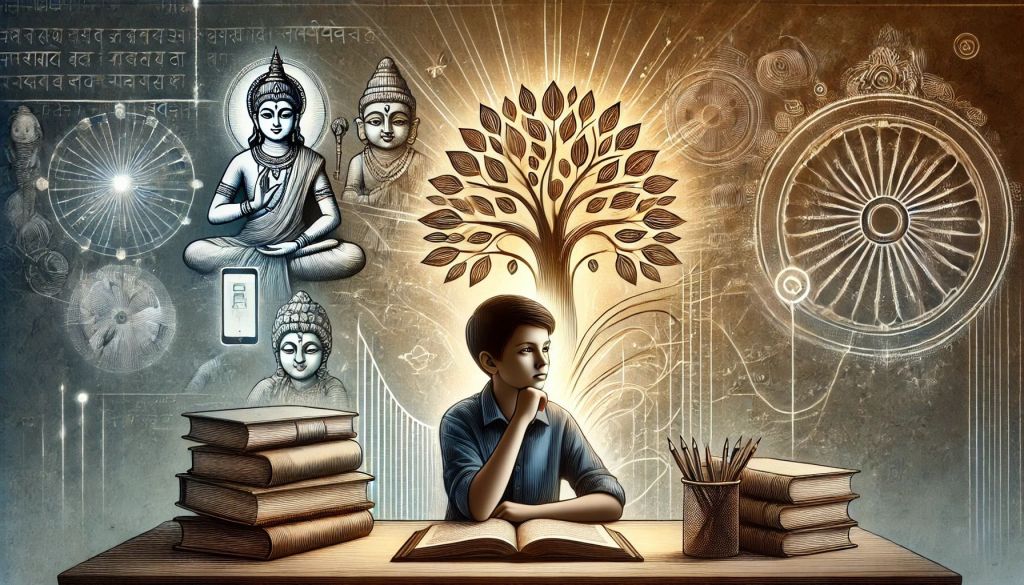
When I observe students these days, a mix of concern and reflection takes over me. Despite living in an era of immense technological advancements and unlimited access to knowledge, many students seem caught in a web of worry, hesitation, and half-baked understanding. Their perception of brilliance, fueled by social media and external influences, often blinds them to the depth of real learning.
Marks Over Mindset
One of the most common questions students ask is:
“The world is running on marks. If we don’t chase marks, how can we survive? Won’t we be left behind?”
This concern reflects the mindset shaped by our education system and societal pressure. True, marks play a significant role—they open doors to universities, scholarships, and even job opportunities. But let’s pause and think:
Are marks the only thing that defines success?
The world is not run by marks; it’s run by value. What you can contribute—your skills, attitude, and ability to think critically—outweighs your grades in the long run. Marks might help you step into a room, but what keeps you there is the depth of your knowledge, your curiosity to learn, and your ability to adapt.
The Illusion of Knowledge
A worrying trend is the superficial confidence many students develop. Social media, while offering access to endless information, often creates the illusion of expertise. Scrolling through memes and infographics might give a sense of familiarity with a topic, but familiarity is not mastery.
Students often excel in conversational skills, but when asked specific or in-depth questions, many stumble. Their half-baked knowledge and distractions prevent them from truly delving deep into subjects. This isn’t entirely their fault—it’s a symptom of a system that prioritizes results over the joy of learning.
From Humans to Robots
What’s most concerning is how students are becoming more robotic in their approach to life. Assignments are completed mechanically, not out of interest or curiosity, but to tick a box. The joy of discovery, the thrill of learning, and the human touch in their efforts are fading.
This robotic mindset leads to a lack of empathy, introspection, and self-awareness. Students are becoming efficient machines, chasing external validation, but losing touch with their inner selves—the very thing that makes them human.
The Missing Samskara
As Bharatiyas, we come from a legacy rooted in values and virtues. Samskara—the cultivation of character, values, and wisdom—has always been the foundation of our education. But today, many students are disconnected from this heritage.
Qualities like viveka (discernment), shraddha (faith), and vinaya (humility) are no longer nurtured. These values, which build strong, balanced individuals, are being overshadowed by the rush for marks, likes, and followers. Students forget that these qualities are not just cultural relics but timeless principles that shape success and fulfillment.
Addressing Students’ Concerns
When students say the world is running on marks, we need to help them see a broader perspective. Marks are a part of life, not the whole of it. They are not the final goal but a byproduct of effort and curiosity.
To guide students back on track, here are a few actionable steps:
1. Reignite Curiosity:
Encourage students to ask questions and explore ideas without the fear of judgment. Teach them that marks will follow when they focus on learning for the sake of understanding.
2. Regulate Social Media:
Guide students to use social media responsibly. Introduce them to educational and inspiring content rather than superficial distractions.
3. Teach Time Management:
Students often feel overwhelmed because they don’t know how to prioritize. Teach them to break tasks into manageable chunks and set achievable goals.
4. Reconnect with Samskara:
Share stories from the Mahabharata, Ramayana, and the teachings of great thinkers like Swami Vivekananda and Chanakya. These timeless lessons inspire values like resilience, humility, and focus.
5. Encourage Reflection:
Teach students to reflect on their actions and decisions. A reflective mind learns not just from successes but also from failures.
Conclusion: Marks or Meaning?
The question isn’t whether marks matter—they do. But the more important question is:
What kind of person do you want to become?
Students must understand that education is not just about scoring high; it’s about mastering oneself. It’s about balancing academic achievements with personal growth, values, and wisdom. The world may push you toward marks, but it’s the lessons you learn, the values you uphold, and the person you become that truly defines your success.
To all the students reading this: Don’t let marks confine you. Instead, let your curiosity and values guide you. Strive not just to achieve, but to become. That’s the true essence of education
Hindi
जब मैं इन दिनों छात्रों को देखता हूँ, तो मेरे मन में चिंता और चिंतन का मिश्रण होता है। अपार तकनीकी प्रगति और ज्ञान तक असीमित पहुँच के युग में रहने के बावजूद, कई छात्र चिंता, झिझक और अधूरी समझ के जाल में फँसे हुए लगते हैं। सोशल मीडिया और बाहरी प्रभावों से प्रेरित प्रतिभा की उनकी धारणा अक्सर उन्हें वास्तविक शिक्षा की गहराई से अंधा कर देती है।
मानसिकता से ज़्यादा अंक
छात्रों द्वारा पूछे जाने वाले सबसे आम सवालों में से एक है:
“दुनिया अंकों पर चल रही है। अगर हम अंकों के पीछे नहीं भागेंगे, तो हम कैसे बच सकते हैं? क्या हम पीछे नहीं रह जाएँगे?”
यह चिंता हमारी शिक्षा प्रणाली और सामाजिक दबाव द्वारा आकार दी गई मानसिकता को दर्शाती है। सच है, अंक महत्वपूर्ण भूमिका निभाते हैं – वे विश्वविद्यालयों, छात्रवृत्तियों और यहाँ तक कि नौकरी के अवसरों के द्वार खोलते हैं। लेकिन आइए रुकें और सोचें:
क्या अंक ही एकमात्र ऐसी चीज़ है जो सफलता को परिभाषित करती है?
दुनिया अंकों से नहीं चलती; यह मूल्यों से चलती है। आप जो योगदान दे सकते हैं – आपके कौशल, दृष्टिकोण और गंभीरता से सोचने की क्षमता – लंबे समय में आपके ग्रेड से अधिक महत्वपूर्ण है। अंक आपको किसी कमरे में कदम रखने में मदद कर सकते हैं, लेकिन जो चीज आपको वहां रखती है वह है आपके ज्ञान की गहराई, सीखने की आपकी जिज्ञासा और अनुकूलन की आपकी क्षमता।
ज्ञान का भ्रम
एक चिंताजनक प्रवृत्ति यह है कि कई छात्रों में सतही आत्मविश्वास विकसित होता है। सोशल मीडिया, अंतहीन जानकारी तक पहुँच प्रदान करते हुए, अक्सर विशेषज्ञता का भ्रम पैदा करता है। मीम्स और इन्फोग्राफिक्स के माध्यम से स्क्रॉल करना किसी विषय से परिचित होने का एहसास दे सकता है, लेकिन परिचित होना महारत हासिल करना नहीं है।
छात्र अक्सर बातचीत के कौशल में उत्कृष्ट होते हैं, लेकिन जब उनसे विशिष्ट या गहन प्रश्न पूछे जाते हैं, तो कई लड़खड़ा जाते हैं। उनका अधूरा ज्ञान और ध्यान भटकाने वाली चीजें उन्हें विषयों में वास्तव में गहराई से उतरने से रोकती हैं। यह पूरी तरह से उनकी गलती नहीं है – यह एक ऐसी प्रणाली का लक्षण है जो सीखने की खुशी से ज़्यादा नतीजों को प्राथमिकता देती है।
इंसानों से रोबोट तक
सबसे ज़्यादा चिंता की बात यह है कि कैसे छात्र जीवन के प्रति अपने दृष्टिकोण में अधिक रोबोट बन रहे हैं। असाइनमेंट को यंत्रवत् पूरा किया जाता है, रुचि या जिज्ञासा से नहीं, बल्कि एक बॉक्स पर टिक करने के लिए। खोज की खुशी, सीखने का रोमांच और उनके प्रयासों में मानवीय स्पर्श लुप्त हो रहा है।
यह रोबोट मानसिकता सहानुभूति, आत्मनिरीक्षण और आत्म-जागरूकता की कमी की ओर ले जाती है। छात्र कुशल मशीन बन रहे हैं, बाहरी मान्यता के पीछे भाग रहे हैं, लेकिन अपने भीतर के आत्म से संपर्क खो रहे हैं – वही चीज जो उन्हें मानव बनाती है।
लुप्त संस्कार
भारतीयों के रूप में, हम मूल्यों और गुणों में निहित विरासत से आते हैं। संस्कार – चरित्र, मूल्यों और ज्ञान की खेती – हमेशा हमारी शिक्षा का आधार रहा है। लेकिन आज, कई छात्र इस विरासत से कटे हुए हैं।
विवेक (विवेचन), श्रद्धा (विश्वास), और विनय (विनम्रता) जैसे गुणों का अब पोषण नहीं किया जाता है। ये मूल्य, जो मजबूत, संतुलित व्यक्तियों का निर्माण करते हैं, अंक, लाइक और फॉलोअर्स की होड़ में दब रहे हैं। छात्र भूल जाते हैं कि ये गुण सिर्फ़ सांस्कृतिक अवशेष नहीं हैं, बल्कि सफलता और पूर्णता को आकार देने वाले शाश्वत सिद्धांत हैं।
छात्रों की चिंताओं को संबोधित करना
जब छात्र कहते हैं कि दुनिया अंकों पर चल रही है, तो हमें उन्हें व्यापक दृष्टिकोण देखने में मदद करने की ज़रूरत है। अंक जीवन का एक हिस्सा हैं, न कि उसका पूरा हिस्सा। वे अंतिम लक्ष्य नहीं हैं, बल्कि प्रयास और जिज्ञासा का उपोत्पाद हैं।
छात्रों को वापस ट्रैक पर लाने के लिए, यहाँ कुछ कार्रवाई योग्य कदम दिए गए हैं:
1. जिज्ञासा को फिर से जगाएँ:
छात्रों को बिना किसी निर्णय के डर के सवाल पूछने और विचारों का पता लगाने के लिए प्रोत्साहित करें। उन्हें सिखाएँ कि जब वे समझने के लिए सीखने पर ध्यान केंद्रित करेंगे, तो अंक अपने आप मिलेंगे।
2. सोशल मीडिया को नियंत्रित करें:
छात्रों को सोशल मीडिया का जिम्मेदारी से उपयोग करने के लिए मार्गदर्शन करें। उन्हें सतही विकर्षणों के बजाय शैक्षिक और प्रेरक सामग्री से परिचित कराएँ।
3. समय प्रबंधन सिखाएँ:
छात्र अक्सर अभिभूत महसूस करते हैं क्योंकि वे नहीं जानते कि प्राथमिकता कैसे तय करें। उन्हें कार्यों को प्रबंधनीय भागों में तोड़ना और प्राप्त करने योग्य लक्ष्य निर्धारित करना सिखाएँ।
4. संस्कार से फिर से जुड़ें: महाभारत, रामायण और स्वामी विवेकानंद और चाणक्य जैसे महान विचारकों की शिक्षाओं की कहानियाँ साझा करें। ये कालातीत पाठ लचीलापन, विनम्रता और ध्यान जैसे मूल्यों को प्रेरित करते हैं।
5. चिंतन को प्रोत्साहित करें: छात्रों को अपने कार्यों और निर्णयों पर चिंतन करना सिखाएँ। एक चिंतनशील मन न केवल सफलताओं से बल्कि असफलताओं से भी सीखता है।
निष्कर्ष: अंक या अर्थ?
सवाल यह नहीं है कि अंक मायने रखते हैं या नहीं – वे मायने रखते हैं। लेकिन अधिक महत्वपूर्ण सवाल यह है:
आप किस तरह का व्यक्ति बनना चाहते हैं?
छात्रों को यह समझना चाहिए कि शिक्षा केवल उच्च अंक प्राप्त करने के बारे में नहीं है; यह स्वयं में निपुणता के बारे में है। यह व्यक्तिगत विकास, मूल्यों और ज्ञान के साथ शैक्षणिक उपलब्धियों को संतुलित करने के बारे में है। दुनिया आपको अंकों की ओर धकेल सकती है, लेकिन यह आपके द्वारा सीखे गए सबक, आपके द्वारा बनाए गए मूल्य और आप जो व्यक्ति बनते हैं, वही वास्तव में आपकी सफलता को परिभाषित करते हैं। इसे पढ़ने वाले सभी छात्रों के लिए: अंकों को खुद तक सीमित न रहने दें। इसके बजाय, अपनी जिज्ञासा और मूल्यों को अपना मार्गदर्शक बनने दें। केवल हासिल करने के लिए नहीं, बल्कि बनने के लिए प्रयास करें। यही शिक्षा का सच्चा सार है।
 Anu-Chintanam
Leave a comment