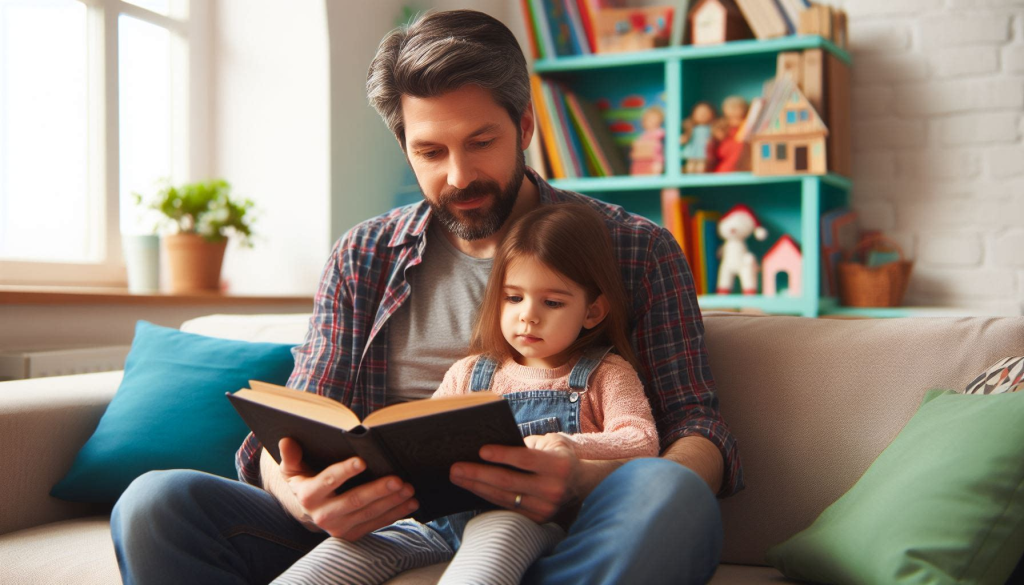
1. The Blame Game: Teaching Responsibility from Day One
In the journey of parenthood, every action, every word, and every gesture counts. From the moment our children enter the world, they absorb the world around them like sponges, learning not only from what we say but also from what we do. As parents, our role is not just to provide love and support but also to instill valuable life lessons that will shape their character and resilience. However, sometimes our actions, well-intentioned as they may be, can inadvertently teach harmful behaviors.
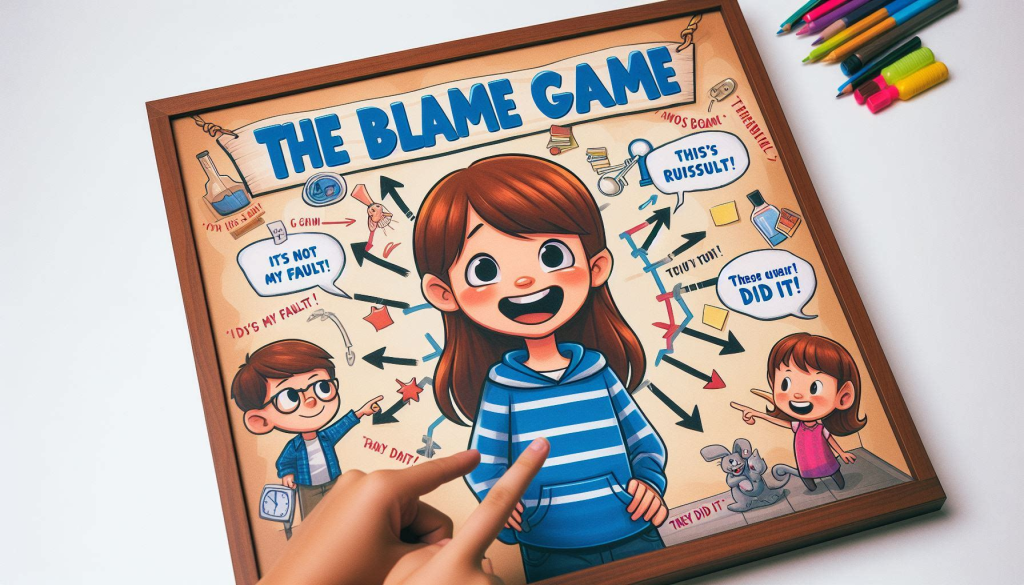
One such example is the tendency of some parents to blame external factors for their child’s mistakes or mishaps. Picture this scenario: a toddler stumbles and falls while learning to walk, and the immediate reaction of the parent is to scold the floor or the object the child tripped over, saying, “Bad floor, it’s not your fault, leave it.” While this response may seem innocent, it subtly communicates to the child that it’s acceptable to deflect responsibility onto external factors rather than taking ownership of their actions.
By shielding our children from accountability in such instances, we inadvertently teach them to avoid responsibility and blame others for their own shortcomings. This pattern, if left unchecked, can hinder their ability to develop resilience and problem-solving skills essential for navigating life’s challenges.
Instead, as parents, we can cultivate a more empowering approach by using these moments as teaching opportunities. Rather than blaming external factors, we can encourage our children to get back up, dust themselves off, and try again. By acknowledging the stumble as a natural part of the learning process, we teach them resilience and perseverance. Moreover, we can model accountability by admitting our own mistakes and demonstrating how to take responsibility for our actions.
2. Mindsets Matter: Fostering Growth Over Fixed Abilities
Beyond the realm of physical mishaps, there are other subtle ways in which parents may inadvertently teach harmful behaviors. For instance, constantly praising a child for their intelligence rather than their effort can foster a fixed mindset, where they believe their abilities are innate and unchangeable. In contrast, praising effort and resilience cultivates a growth mindset, instilling the belief that skills and abilities can be developed through dedication and hard work.

Moreover, the language we use can shape our children’s perceptions of themselves and others. Making sweeping generalizations or using derogatory terms in front of them can perpetuate stereotypes and biases. Instead, fostering open-mindedness and empathy through respectful language and inclusive attitudes can help break down barriers and promote acceptance.
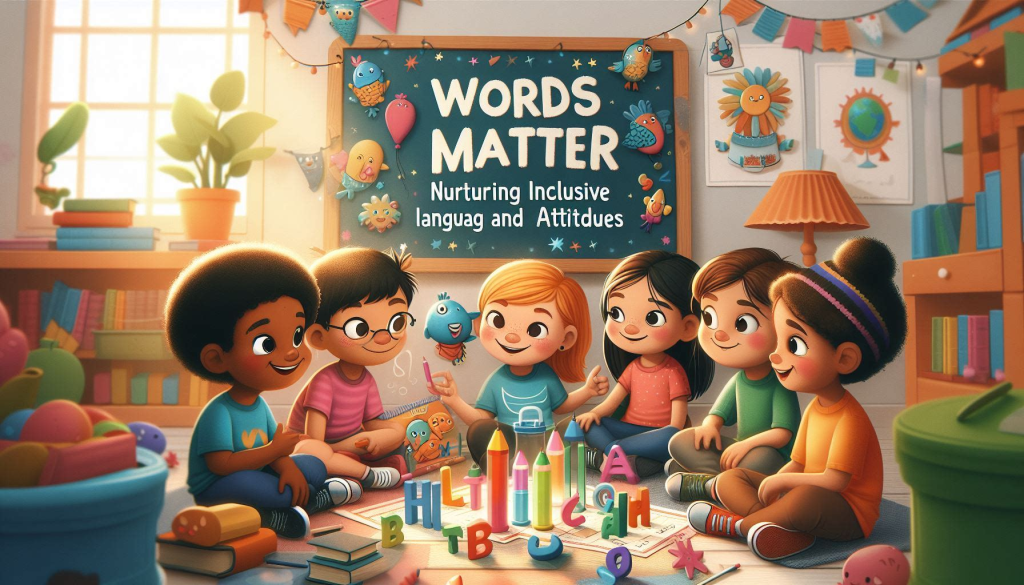
3. Words Matter: Nurturing Inclusive Language and Attitudes
Furthermore, the way we handle conflicts or disagreements within the family dynamic can leave a lasting impact on our children. If they witness us resorting to yelling or aggression to resolve conflicts, they may internalize these behaviors as acceptable ways to handle disputes. Conversely, modeling effective communication, active listening, and conflict resolution skills can equip them with invaluable tools for building healthy relationships in the future.
As parents, we hold immense power to shape the next generation, not only through our words but also through our actions. Every interaction is an opportunity to teach, inspire, and empower our children to become resilient, compassionate, and responsible individuals. By being mindful of the messages we convey and the behaviors we model, we can help create a brighter and more compassionate future for our children and society as a whole.
– Hindi –
जिम्मेदार पालन-पोषण की कला
1. दोषारोपण का खेल: पहले दिन से शिक्षण की जिम्मेदारी
पितृत्व की यात्रा में, प्रत्येक कार्य, प्रत्येक शब्द और प्रत्येक भाव मायने रखता है। जिस क्षण से हमारे बच्चे दुनिया में प्रवेश करते हैं, वे स्पंज की तरह अपने आसपास की दुनिया को आत्मसात कर लेते हैं, न केवल हम जो कहते हैं उससे सीखते हैं बल्कि हम जो करते हैं उससे भी सीखते हैं। माता-पिता के रूप में, हमारी भूमिका केवल प्यार और समर्थन प्रदान करना नहीं है, बल्कि मूल्यवान जीवन सबक सिखाना भी है जो उनके चरित्र और लचीलेपन को आकार देगा। हालाँकि, कभी-कभी हमारे कार्य, चाहे वे कितने भी नेक इरादे से क्यों न हों, अनजाने में हानिकारक व्यवहार सिखा सकते हैं।
ऐसा ही एक उदाहरण कुछ माता-पिता की अपने बच्चे की गलतियों या दुर्घटनाओं के लिए बाहरी कारकों को दोषी ठहराने की प्रवृत्ति है। इस परिदृश्य को चित्रित करें: एक बच्चा चलना सीखते समय लड़खड़ाकर गिर जाता है, और माता-पिता की तत्काल प्रतिक्रिया यह होती है कि वह फर्श या उस वस्तु को डांटते हैं जिस पर बच्चा फिसल गया था, और कहते हैं, “खराब फर्श, यह तुम्हारी गलती नहीं है, इसे छोड़ दो।” हालांकि यह प्रतिक्रिया मासूम लग सकती है, लेकिन यह बच्चे को सूक्ष्मता से बताती है कि उनके कार्यों का स्वामित्व लेने के बजाय जिम्मेदारी को बाहरी कारकों पर टालना स्वीकार्य है।
ऐसे मामलों में अपने बच्चों को जवाबदेही से बचाकर, हम अनजाने में उन्हें जिम्मेदारी से बचना और अपनी कमियों के लिए दूसरों को दोष देना सिखाते हैं। यदि इस पैटर्न को अनियंत्रित छोड़ दिया जाए, तो यह जीवन की चुनौतियों से निपटने के लिए आवश्यक लचीलापन और समस्या-समाधान कौशल विकसित करने की उनकी क्षमता में बाधा उत्पन्न कर सकता है।
इसके बजाय, माता-पिता के रूप में, हम इन क्षणों को शिक्षण के अवसरों के रूप में उपयोग करके अधिक सशक्त दृष्टिकोण विकसित कर सकते हैं। बाहरी कारकों को दोष देने के बजाय, हम अपने बच्चों को फिर से उठने, खुद को धूल-धूसरित करने और फिर से प्रयास करने के लिए प्रोत्साहित कर सकते हैं। सीखने की प्रक्रिया के स्वाभाविक हिस्से के रूप में ठोकर को स्वीकार करके, हम उन्हें लचीलापन और दृढ़ता सिखाते हैं। इसके अलावा, हम अपनी गलतियों को स्वीकार करके और अपने कार्यों की जिम्मेदारी लेने का तरीका प्रदर्शित करके जवाबदेही का मॉडल तैयार कर सकते हैं।
2. मानसिकता मायने रखती है: निश्चित क्षमताओं से अधिक विकास को बढ़ावा देना
शारीरिक दुर्घटनाओं के दायरे से परे, अन्य सूक्ष्म तरीके भी हैं जिनसे माता-पिता अनजाने में हानिकारक व्यवहार सिखा सकते हैं। उदाहरण के लिए, किसी बच्चे के प्रयास के बजाय उसकी बुद्धिमत्ता की लगातार प्रशंसा करना एक निश्चित मानसिकता को बढ़ावा दे सकता है, जहां उनका मानना है कि उनकी क्षमताएं जन्मजात और अपरिवर्तनीय हैं। इसके विपरीत, प्रयास और लचीलेपन की प्रशंसा करने से विकास की मानसिकता विकसित होती है, यह विश्वास पैदा होता है कि कौशल और क्षमताओं को समर्पण और कड़ी मेहनत के माध्यम से विकसित किया जा सकता है।
इसके अलावा, हम जिस भाषा का उपयोग करते हैं वह हमारे बच्चों की अपने और दूसरों के बारे में धारणाओं को आकार दे सकती है। व्यापक सामान्यीकरण करना या उनके सामने अपमानजनक शब्दों का उपयोग करना रूढ़िवादिता और पूर्वाग्रहों को कायम रख सकता है। इसके बजाय, सम्मानजनक भाषा और समावेशी दृष्टिकोण के माध्यम से खुले दिमाग और सहानुभूति को बढ़ावा देने से बाधाओं को तोड़ने और स्वीकृति को बढ़ावा देने में मदद मिल सकती है।
3. शब्द मायने रखते हैं: समावेशी भाषा और दृष्टिकोण का पोषण
इसके अलावा, जिस तरह से हम परिवार के भीतर झगड़ों या असहमतियों को संभालते हैं, वह हमारे बच्चों पर स्थायी प्रभाव छोड़ सकता है। यदि वे हमें विवादों को सुलझाने के लिए चिल्लाने या आक्रामकता का सहारा लेते हुए देखते हैं, तो वे विवादों को संभालने के स्वीकार्य तरीकों के रूप में इन व्यवहारों को अपना सकते हैं। इसके विपरीत, प्रभावी संचार, सक्रिय श्रवण और संघर्ष समाधान कौशल का मॉडलिंग उन्हें भविष्य में स्वस्थ संबंध बनाने के लिए अमूल्य उपकरणों से लैस कर सकता है।
माता-पिता के रूप में, हम न केवल अपने शब्दों से बल्कि अपने कार्यों से भी अगली पीढ़ी को आकार देने की अपार शक्ति रखते हैं। प्रत्येक बातचीत हमारे बच्चों को लचीला, दयालु और जिम्मेदार व्यक्ति बनने के लिए सिखाने, प्रेरित करने और सशक्त बनाने का एक अवसर है। हम जो संदेश देते हैं और जो व्यवहार अपनाते हैं, उनके प्रति सचेत रहकर, हम अपने बच्चों और समग्र रूप से समाज के लिए एक उज्जवल और अधिक दयालु भविष्य बनाने में मदद कर सकते हैं।
 Anu-Chintanam
Leave a comment